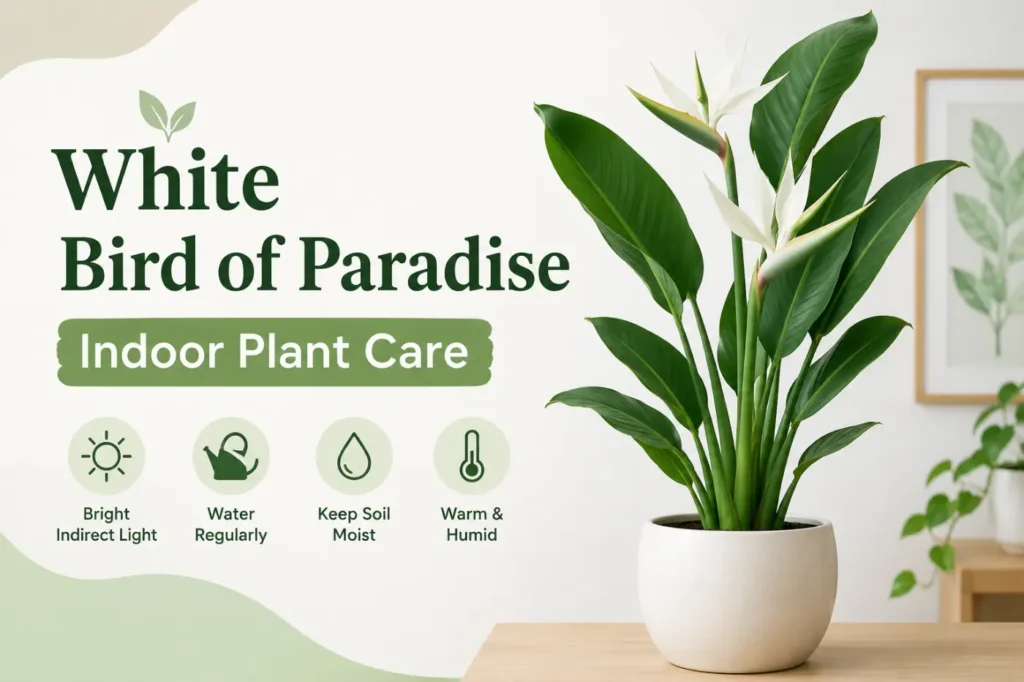
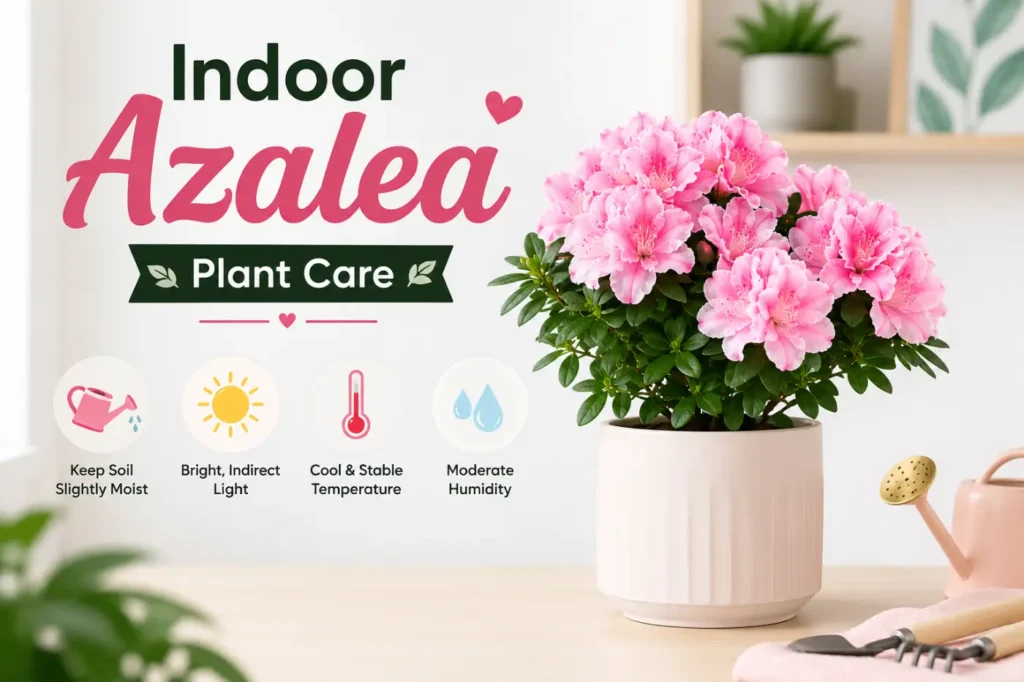
Indoor azalea plant care is one of the most specific and least forgiving of any flowering houseplant, and most azaleas sold at garden centers and florists during the holiday season are dead within two months because buyers do not know what they are dealing with. An indoor azalea is not a tropical houseplant. It is a cool-loving, acid-soil, high-humidity plant with a genuine seasonal bloom cycle that requires specific conditions at specific times of year to perform as it should.
The plant owners who keep azaleas blooming for six to eight weeks and then successfully bring them back to bloom the following year understand a few key facts that casual plant care advice rarely covers. This guide covers all of them.
Quick Answer
Indoor azalea plant care requires cool temperatures between 50 and 65 degrees Fahrenheit during the bloom period, consistently moist acidic soil with a pH between 4.5 and 6.0, bright indirect light, high humidity without misting the flowers, bottom watering or careful top watering that avoids the crown and flowers, fertilizing with an acid-specific fertilizer after blooming ends, an outdoor summer period for best results, and cool temperatures in fall to set buds for the next bloom cycle. Warm indoor temperatures are the single biggest reason azalea blooms fail quickly.
Understanding Indoor Azalea
The azaleas sold as indoor gift plants are typically Rhododendron simsii hybrids rather than the outdoor garden azaleas common in American landscapes. These Belgian or Indian hybrids have been bred specifically for indoor container growing and are capable of blooming for six to eight weeks with correct care, compared to the two to three weeks most buyers experience.
In their natural habitat and in their intended cool greenhouse growing conditions, these azaleas experience cool winters that trigger and sustain bloom, acidic soil from decomposing leaf matter, consistently moist conditions, and moderate humidity. Bringing one into a warm, dry, centrally heated home is the primary reason they fail so quickly.
Step 1: Keep It Cool During the Bloom Period
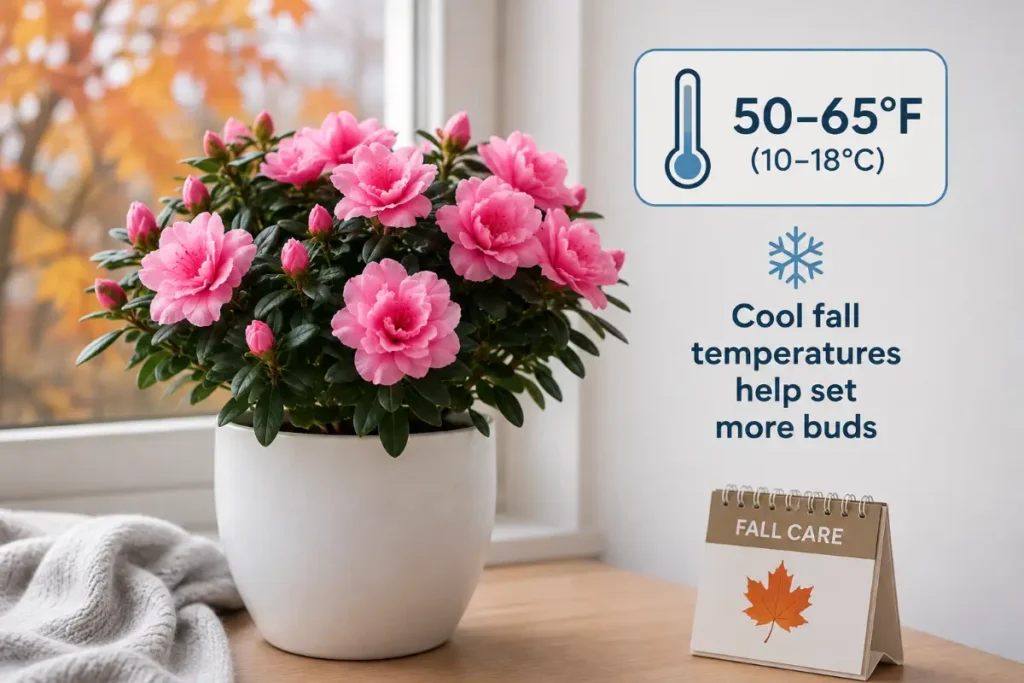
Temperature is the most important factor in how long an indoor azalea blooms and the factor most commonly ignored in standard care advice. Cool temperatures between 50 and 65 degrees Fahrenheit produce the longest bloom periods. Warm temperatures above 68 degrees cause rapid flower fade and bud drop before buds have opened.
The practical reality: The warmest room in the house is the worst place for a blooming azalea. The coolest bright room available is the best. A north-facing windowsill in an unheated spare room, a bright enclosed porch that does not freeze, or a cool hallway with good light are better positions than a warm living room near a heating vent.
What warm temperatures do: Flowers open and fade within days rather than weeks. Buds open all at once and finish quickly rather than opening in succession over weeks. The overall bloom period shrinks from six to eight weeks to two to three weeks.
Night temperature: Azaleas tolerate slightly warmer daytime temperatures if nights stay cool. A room that drops to 55 to 60 degrees at night extends bloom noticeably even if daytime temperatures are slightly above ideal.
Step 2: Maintain Consistently Moist Acidic Soil
Azaleas are ericaceous plants that evolved in acidic woodland soils and require acidic conditions to absorb iron and other minerals effectively. The soil pH needs to stay between 4.5 and 6.0 for consistent health and bloom performance.
Soil moisture: Keep consistently moist but never waterlogged. Azalea roots are fine and shallow and dry out faster than many other plants. Allow only the very top of the soil to dry before watering again.
Watering method: Use rainwater, distilled water, or filtered water when possible. Tap water in hard water areas is often alkaline and gradually raises soil pH toward conditions azaleas cannot tolerate, which leads to the yellowing between leaf veins (interveinal chlorosis) that indicates iron deficiency from pH-related mineral lockout.
Maintaining acidity: Use an ericaceous potting mix specifically formulated for acid-loving plants when repotting. Add a small amount of used coffee grounds to watering water every three to four weeks to gradually maintain acidity. For the complete guide to how coffee grounds maintain soil acidity for plants like azaleas, what indoor plants like coffee grounds covers every acid-loving plant with specific application guidance.
Step 3: Provide Bright Indirect Light
Azaleas need good light to sustain bloom and maintain healthy foliage between bloom cycles but are damaged by direct harsh sun particularly during the warm afternoon hours.
What works: Bright indirect light from a north or east-facing window during the bloom period. Direct morning sun from an east-facing window is tolerated well. Filtered light through a sheer curtain from a south-facing window.
During summer outdoor period: Full sun to partial shade outdoors is appropriate when the plant is moved outside after blooming ends. Morning sun with afternoon shade produces the best summer growth without stress.
In low light: Azaleas in insufficient light drop buds before they open, produce pale foliage, and fail to set new buds for the following season. Good light is necessary both during and between bloom cycles.
Step 4: Maintain High Humidity Without Wetting Flowers
Azaleas prefer humidity above 50% but their flowers are damaged by water contact that creates botrytis grey mold in the cool humid conditions they otherwise prefer.
Effective solutions: A pebble tray with water beneath the pot. Grouping with other plants. A humidifier positioned nearby. These methods raise ambient humidity without any direct contact with foliage or flowers.
What to avoid: Misting the flowers or directly misting the foliage when flowers are present. Cool humid conditions that azaleas prefer are also ideal for botrytis development and water on flower petals in these conditions creates visible grey mold within days.
After blooming: Once flowers have finished and been removed, light misting of foliage is acceptable as a temporary humidity measure.
Step 5: Deadhead Spent Flowers Correctly
Removing spent azalea flowers correctly is more important than with most other flowering plants because the new growth and next season’s flower buds form immediately behind spent flowers and damage during deadheading removes these.
Correct technique: Pinch spent flowers at their base where they connect to the stem, removing only the flower and its immediate calyx. Do not cut or remove the growth tip or small leaves directly behind the flower since these contain the new shoot that will develop after blooming and potentially set next season’s buds.
Timing: Remove flowers as soon as petals begin to drop or brown. Leaving spent flowers on the plant allows them to set seed which diverts energy from vegetative growth and next season’s bud development.
After all flowers have finished: Once the full bloom cycle is complete, a light pruning to shape the plant and remove any crossed or overcrowded stems is appropriate. Do not prune heavily since the new growth that emerges after blooming is what develops into next season’s flower buds. Pruning after mid-summer removes these developing buds.
Step 6: Fertilize With Acid-Specific Products After Blooming
Azaleas have specific nutritional needs that standard balanced houseplant fertilizers do not fully address. Products formulated specifically for azaleas, rhododendrons, and acid-loving plants provide the right balance of nutrients at the appropriate pH for ericaceous plants.
When to fertilize: Begin fertilizing after the bloom period ends and new growth is actively emerging. Do not fertilize during the bloom period as this can cause premature bud drop and shortened bloom duration.
What to use: Miracid Acid Plant Food, Espoma Holly-Tone, or any fertilizer specifically formulated for azaleas and rhododendrons. These products provide nitrogen in ammonium form rather than nitrate form, which is more appropriate for acid-loving plants and helps maintain soil acidity alongside providing nutrition.
How often: Every two weeks from the end of the bloom period through late summer. Stop fertilizing in late summer to allow the growth that has developed to mature and harden before the cool temperatures of fall that trigger bud set for the following season.
Step 7: Move Outside for Summer
This step separates the plant owners who successfully rebloom azaleas from those who cannot. Moving an indoor azalea outdoors for summer provides conditions that indoor environments cannot replicate: natural temperature variation, natural day length cycles, appropriate light levels, and fresh air circulation that supports healthy growth.
When to move outside: After the last frost date for your area and once nighttime temperatures consistently stay above 45 to 50 degrees. In most US regions this means late April through May.
Where to place it outdoors: Partial shade with morning sun and afternoon protection. Direct all-day summer sun causes leaf scorch and heat stress. Under a deciduous tree canopy that provides filtered light is ideal.
What happens outdoors: New vegetative growth develops and hardens over summer. By late summer the plant begins setting next season’s flower buds in response to shortening days and cooling temperatures. This bud set process happens naturally outdoors and is difficult to replicate indoors where day length and temperature variation are more constant.
Before bringing back inside in fall: Inspect thoroughly for pests that may have established during outdoor summer. Wash down with water spray and check undersides of leaves for spider mites, scale, and other common outdoor pests before introducing the plant to your indoor plant collection. For guidance on identifying and treating pests found on plants moved indoors from outdoors, moving plants indoors for winter covers the complete inspection and treatment approach for every common hitchhiking pest.
Step 8: Provide Cool Fall Temperatures to Set Buds
This final step is what triggers the bloom cycle for the following season and is the most commonly overlooked factor in successfully reblooming azaleas year after year.
Azaleas require a period of cool temperatures, ideally between 40 and 50 degrees Fahrenheit, for six to eight weeks in fall to set flower buds for the coming winter bloom period. Without this cool conditioning period the buds that developed over summer do not mature properly and the plant produces only foliage rather than flowers the following season.
Practical implementation: Leave the plant outdoors as temperatures cool in fall until nighttime temperatures threaten to drop below 28 to 30 degrees. In USDA zones 7 and above this may mean outdoor placement through October or November. Bring inside before a hard freeze damages the developing buds.
After bringing inside: Place in the coolest bright location available. The cool indoor conditions of a spare room or enclosed porch continue the temperature conditioning that prepares the plant for its bloom cycle. As indoor temperatures remain cool and the plant approaches its natural winter bloom season, buds begin to show color and the next bloom cycle begins.
Common Indoor Azalea Problems
Bud drop before opening: Almost always caused by warm temperatures, low humidity, or inconsistent watering. Move to cooler position and increase humidity immediately.
Flowers fading within two weeks of purchase: The plant was kept too warm. Move to coolest bright position available.
Yellowing leaves with green veins: Iron deficiency from soil pH that has risen above the 6.0 maximum. Water with acidified water, use acid-specific fertilizer, and add coffee ground water every three to four weeks to restore appropriate acidity.
No flowers the following season: Either insufficient cool conditioning in fall to set buds, pruning after mid-summer that removed developing buds, or failure to move outdoors for summer where natural bud set conditions occur. Review the summer outdoor and fall cool conditioning steps.
Repotting Indoor Azaleas
Azaleas have compact, fibrous root systems that prefer being slightly pot-bound rather than in oversized containers. Repotting too frequently or into pots that are too large disrupts their root system and can delay or prevent blooming for one to two seasons.
When to repot: Only when roots are clearly emerging from drainage holes in quantity or when the plant has been in the same pot for three or more years and shows signs of nutritional depletion despite regular fertilizing. Azaleas are one of the few houseplants that genuinely perform better with less frequent repotting.
Best timing: Immediately after the bloom period ends and before new growth begins. This positions the plant to establish in new soil during its most active vegetative growth phase.
What soil to use: Ericaceous potting mix specifically formulated for acid-loving plants. Standard potting mix is too alkaline for azaleas and using it creates the pH problems that cause mineral deficiency even when fertilizer is applied. Brands specifically marketed for azaleas, camellias, and rhododendrons maintain the pH range these plants require.
Pot size: Choose a container only one to two inches larger than the current one. Oversized pots hold excess soil volume that stays wet longer than azalea roots need, increasing root rot risk in plants that prefer consistent moisture but not waterlogging.
Indoor Azalea Care Through the Seasons
Managing azalea care with a clear seasonal approach makes the difference between consistent annual reblooming and the confusion that leads most plant owners to treat azaleas as disposable seasonal decoration.
Winter bloom period (December through March for most varieties): Cool temperatures between 50 and 65 degrees. Consistent moisture with filtered or rainwater. High humidity without wetting flowers. Remove spent flowers promptly. No fertilizing during active bloom.
Post-bloom spring (March through May): Begin acid-specific fertilizing every two weeks as soon as all flowers have finished. Light shaping prune to remove crossed stems and improve air circulation through the plant. Maintain indoor position until outdoor temperatures are reliably above 45 degrees at night. Watch for signs of new growth emerging from stem tips behind where flowers were attached.
Summer outdoor period (May through September): Move outdoors to partial shade. Continue biweekly acid fertilizing through late summer. Water more frequently outdoors where conditions dry the soil faster than indoors. Stop fertilizing in late August to allow growth to harden before fall cooling.
Fall bud conditioning (September through November): Leave outdoors as temperatures cool, monitoring forecasts for frost. The cool fall temperatures trigger flower bud maturation. Bring inside before hard frost. Place in coolest bright indoor location. Watch for bud color showing as the bloom period approaches.
Sourcing and Selecting Indoor Azaleas
Most indoor azaleas purchased at grocery stores and big box retailers during the holiday season are healthy plants stressed by handling and warm display conditions. Selecting well at the point of purchase and providing correct conditions immediately after purchase makes a significant difference in performance.
What to look for: More buds than open flowers. Healthy dark green foliage without yellowing or brown edges. Firm stems without soft spots. Soil that feels moist but not waterlogged in the pot.
What to avoid: Plants displayed near heating vents or in warm store entrances which accelerate bud opening and shorten bloom duration before purchase. Plants with predominantly open flowers and few remaining buds which are closer to the end of their bloom cycle than the beginning. Any signs of botrytis grey mold on flowers or foliage.
Specialty nurseries vs grocery stores: Plants from specialty nurseries and garden centers are typically in better condition than those from grocery stores where plant care knowledge among staff is less consistent. The Belgian hybrid varieties commonly sold at garden centers have also been selected specifically for indoor bloom performance and often outperform the generic varieties that appear at grocery stores during the holiday season.
For the complete picture of how cool-temperature flowering plants like azaleas compare to other seasonal bloomers in care requirements and seasonal management, care for cyclamen plant indoors covers the similarities and differences between azalea and cyclamen seasonal care cycles that make both plants more manageable once the pattern is understood.
Conclusion
Indoor azalea plant care rewards patience and seasonal attention in ways that most houseplant care does not require. Cool temperatures during bloom, acidic consistently moist soil, high humidity, appropriate fertilizing after flowering, a summer outdoors, and cool fall conditioning for bud set: these seven steps applied in their correct seasonal sequence produce the six to eight week bloom periods and annual reblooming that makes azaleas worth the investment of learning their specific needs.
The azaleas that are thrown away every year by the millions after two weeks of bloom are not failed plants. They are plants in the wrong temperature with the wrong water in the wrong soil. Give one the conditions it actually needs and it becomes a plant that blooms reliably for decades, improving in size and flower count each season it is properly cared for.
Frequently Asked Questions
Why do indoor azalea flowers fall off so quickly?
Indoor azalea flowers fall off quickly almost always because of warm temperatures. These plants bloom for six to eight weeks in cool conditions between 50 and 65 degrees and fade within two to three weeks in warm living rooms above 68 to 70 degrees. Move to the coolest bright location available immediately after purchase to maximize bloom duration.
Can I keep an azalea indoors year round?
You can keep an azalea indoors year round but it produces significantly better growth and more reliable reblooming if moved outdoors during summer. The natural temperature variation, appropriate light levels, and natural day length cycles outdoors in summer trigger the bud set process more reliably than indoor conditions can replicate. If outdoor summer placement is truly impossible, place in the brightest coolest position available with a fan running nearby for air circulation.
How do I get my azalea to rebloom next year?
Reblooming requires three specific steps in sequence: fertilize with acid-specific plant food from the end of bloom through late summer, move outdoors for summer in partial shade where natural conditions trigger bud development, and provide cool fall temperatures between 40 and 50 degrees for six to eight weeks before the next bloom season. Missing any of these three steps produces foliage-only growth the following season rather than flowers.
What kind of soil do indoor azaleas need?
Azaleas need acidic soil with a pH between 4.5 and 6.0. Standard potting mix is usually too alkaline for azaleas and gradually rises in pH with regular tap water use. Use an ericaceous potting mix specifically formulated for acid-loving plants when repotting. Water with rainwater or filtered water rather than hard tap water when possible. Add coffee ground water every three to four weeks to help maintain appropriate acidity over time.
Why are my azalea leaves turning yellow?
Yellow leaves on azaleas with green veins indicate iron deficiency caused by soil pH rising above the 6.0 maximum that allows iron absorption. The plant cannot access iron in neutral or alkaline soil even when iron is physically present. Restore acidity with acid-specific fertilizer, coffee ground water applications, and switching to rainwater or filtered water. Yellow leaves without the green vein pattern indicate overwatering or natural aging of oldest leaves.
Can indoor azaleas be poisonous to pets?
Yes. Azaleas contain grayanotoxins throughout their tissue including leaves, flowers, and stems. These compounds cause vomiting, drooling, weakness, loss of coordination, and in severe cases cardiac issues in cats and dogs. Even small amounts of foliage can cause significant toxicity symptoms in pets. Keep azaleas out of reach of pets entirely or choose non-toxic flowering alternatives for households with animals that chew on plants.