
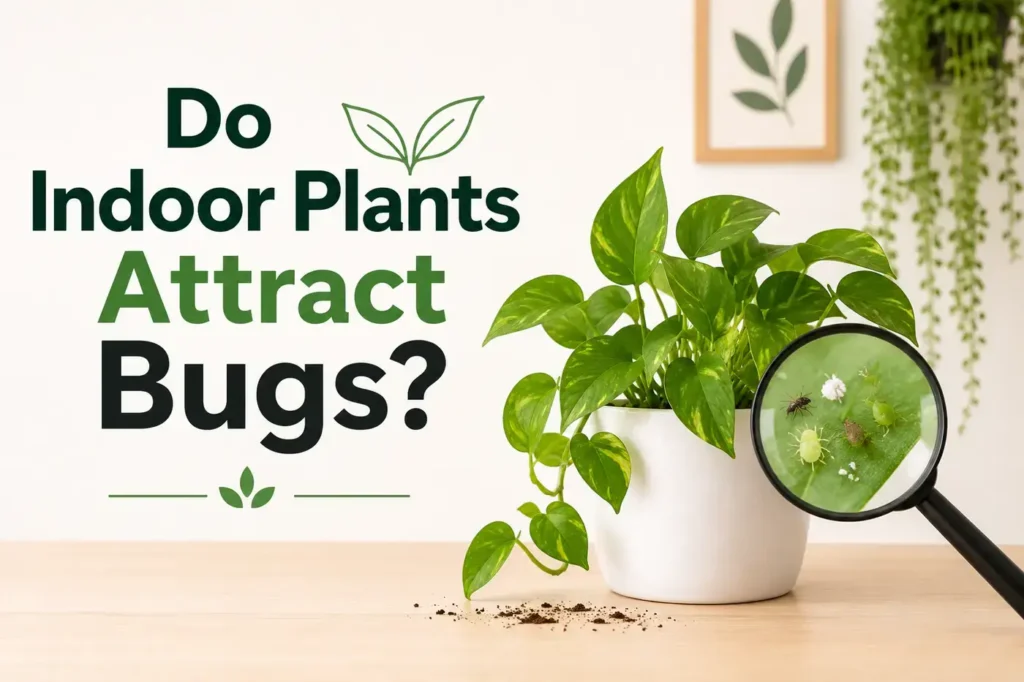
Do indoor plants attract bugs? This is one of the most common questions new houseplant owners ask, and the honest answer is: it depends entirely on the plant, the conditions, and how you care for it. Some indoor plants actively attract certain insects while others repel them. Most houseplants in a well-maintained home neither attract nor repel bugs in any significant way. The real factors driving indoor bug problems are almost always moisture levels, soil health, and the presence of stressed or weakened plants rather than simply having greenery indoors.
This guide breaks down exactly which conditions attract bugs to indoor plants, which plants are most vulnerable, which ones actually deter pests, and what you can do today to keep your indoor garden free of unwanted visitors without giving up the plants you love.
Quick Answer
Indoor plants can attract bugs under certain conditions, particularly when soil stays consistently wet, when plants are stressed or weakened, or when new plants are brought indoors without inspection. However, healthy plants in well-draining soil with appropriate light and watering rarely attract significant pest problems. Several plants like lavender, mint, and basil actually repel common household insects rather than attracting them.
1. Overwatered Plants Attract Bugs More Than Anything Else
If there is one single condition that attracts bugs to indoor plants more reliably than any other, it is consistently wet soil. Fungus gnats, shore flies, and various soil-dwelling insects specifically seek out moist organic matter to lay their eggs. A plant that dries out adequately between waterings is dramatically less attractive to these pests than one sitting in perpetually damp potting mix.
This is why the same plant species in two different homes can have completely different pest histories. The plant in the home where it dries out between waterings stays pest-free. The same plant in a home where it gets watered on a fixed schedule regardless of soil moisture becomes a fungus gnat breeding ground within weeks.
The fix is simple but requires breaking the habit of calendar-based watering. Push your finger 2 inches into the soil before every watering. If it feels damp, wait. This single change eliminates the primary condition that makes indoor plants attractive to the most common soil-dwelling pests.
2. Stressed Plants Send Chemical Signals That Attract Insects
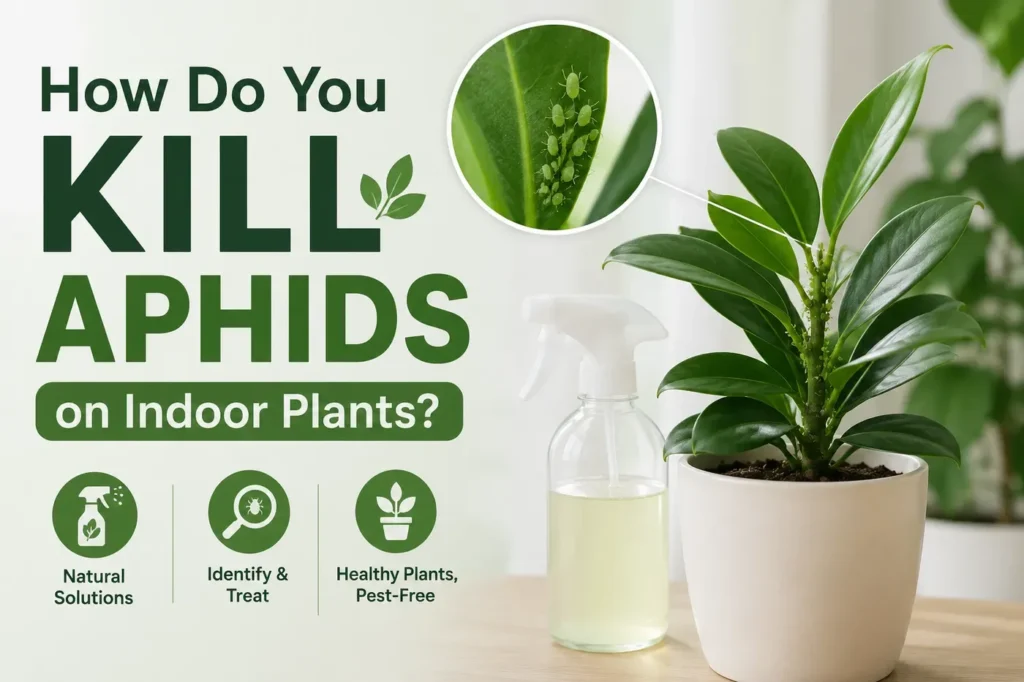
This is the fact that surprises most plant owners. When a plant is under stress from insufficient light, improper watering, poor nutrition, or root damage, it releases volatile chemical compounds that insects can detect from a distance. These stress signals essentially advertise the plant as a weakened, easy target with high concentrations of the amino acids that sap-feeding insects like aphids and spider mites specifically seek out.
A healthy plant growing in appropriate conditions produces stronger cell walls with lower free amino acid concentrations in its sap. Aphids can still attack healthy plants but they preferentially target stressed ones because feeding is easier and more nutritionally rewarding.
This is why pest problems in indoor plant collections tend to cluster around the plants that are already struggling rather than distributing evenly across all plants. The aphids go where the stress signals are strongest.
Addressing the underlying stress factor is therefore as important as any pest treatment. A plant that gets treated for aphids but remains in poor light with incorrect watering will attract a new infestation within weeks of the previous one being cleared.
3. New Plants Are the Most Common Source of Indoor Bug Problems
The majority of indoor pest problems in homes that previously had none trace back to a single source: a new plant brought in from a garden center, a friend, or moved indoors from outside at the end of summer.
Aphids, spider mites, mealybugs, and fungus gnat eggs are frequently present on plants purchased from garden centers, often in numbers too small to notice at the point of purchase. Once inside your home, away from the natural predators and weather conditions that kept those populations in check outdoors, the pest population explodes within two to three weeks.
The solution is a quarantine practice that takes almost no effort. Any new plant entering your home should spend at least one week in a separate room away from your existing collection before being introduced. Inspect the leaves, stems, and soil surface carefully before the quarantine period ends. This one habit prevents the majority of pest introductions before they happen.
4. Some Plants Actively Attract Beneficial Insects
Not every insect attracted to indoor plants is a problem. Certain flowering indoor plants attract predatory and beneficial insects that actually help control pest populations rather than contributing to them.
Flowering herbs like basil and mint attract predatory insects when grown near open windows during warm months. While this is more relevant for outdoor growing, it is worth understanding that the relationship between plants and insects is not uniformly negative. A diverse indoor plant collection with healthy specimens is far less likely to develop serious pest problems than a collection of identical stressed plants because diversity disrupts the conditions that allow any single pest species to dominate.
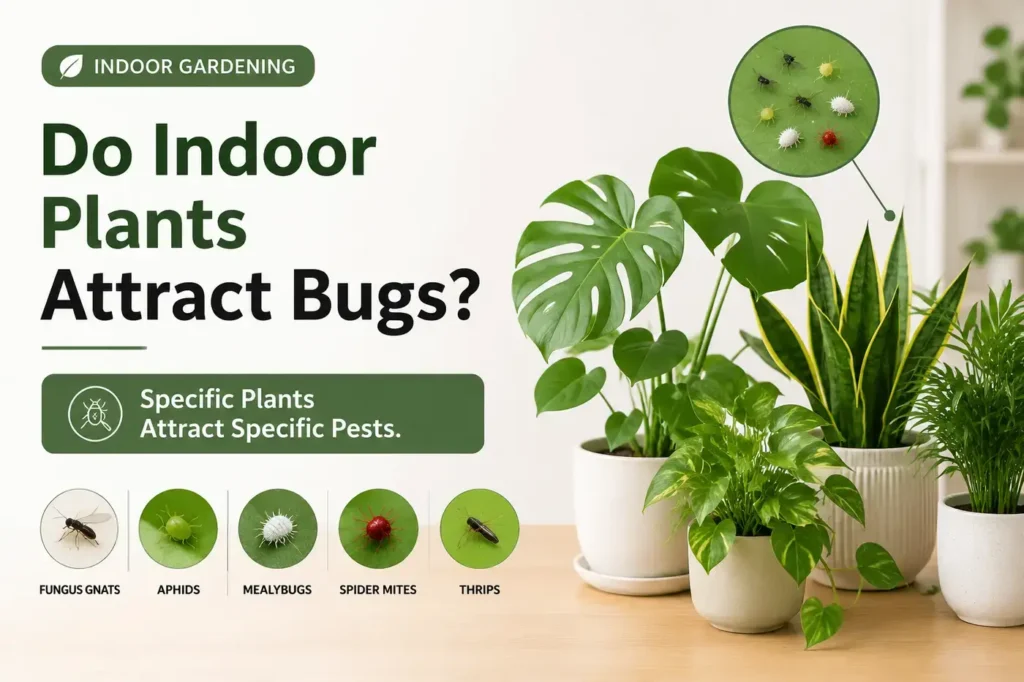
5. Specific Plants Attract Specific Pests
Certain houseplants are significantly more attractive to specific pest species than others, and knowing which plants are most vulnerable helps you monitor them more closely and catch problems before they spread.
Hibiscus is one of the most aphid-prone houseplants available. Aphids are strongly attracted to its soft new growth and high sap content. A hibiscus in a collection of otherwise pest-resistant plants will almost always be the first to show infestation signs.
Basil and mint are highly attractive to aphids and whiteflies despite also being pest-repelling plants. The same volatile compounds that repel some insects attract others. Growing basil near a window is excellent for keeping flies out of your kitchen but requires monitoring for aphid activity on the plant itself.
Citrus trees grown indoors attract aphids, scale insects, and spider mites reliably, particularly on new soft growth in spring.
Roses kept indoors are among the most consistently aphid-prone plants in any collection regardless of how well they are cared for.
Knowing which plants in your collection are high-risk means you spend your weekly inspection time where it matters most rather than checking every plant equally.
6. Plants That Repel Bugs Rather Than Attracting Them
This is where the picture becomes more interesting. Several of the most popular and easy-to-grow indoor plants actively repel the insects most likely to cause problems in a home environment.
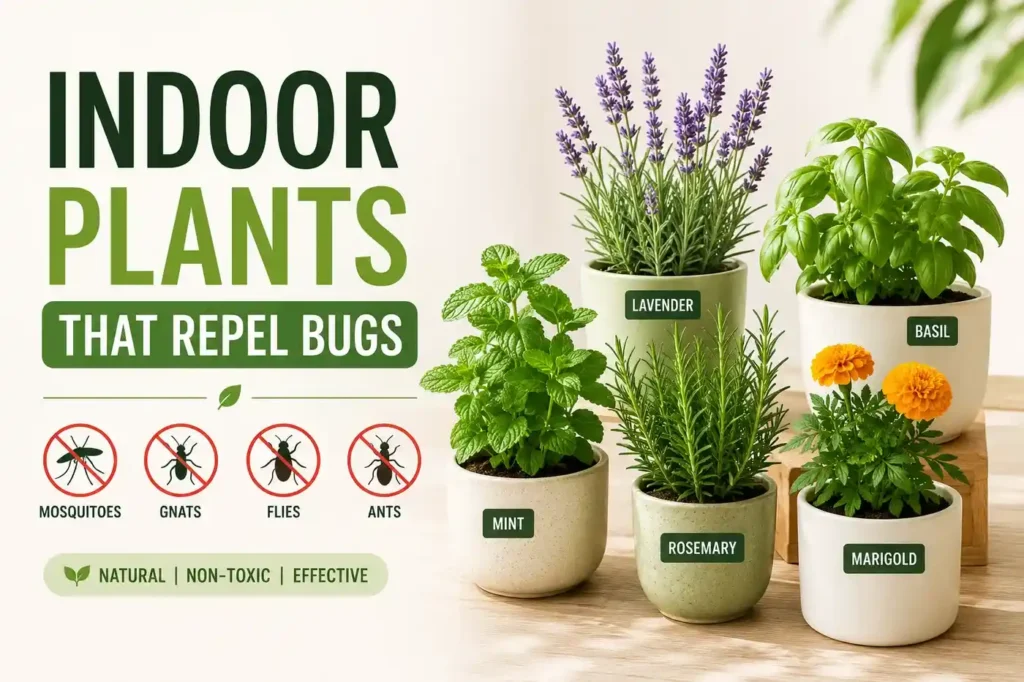
Lavender releases linalool continuously into the surrounding air, a compound that mosquitoes, flies, and moths find unbearable. Mint produces menthol that overwhelms the sensory receptors of ants, flies, and aphids. Rosemary’s camphor and borneol compounds repel mosquitoes and flies. Catnip produces nepetalactone, which research has shown to be more effective against mosquitoes than DEET.
These plants do not just avoid attracting bugs. They actively make the surrounding environment less hospitable to pests, which means placing them strategically near more vulnerable plants provides genuine protective benefit to your entire collection.
The complete breakdown of which plants work best as natural pest deterrents and exactly where to place them for maximum effect is covered in detail in indoor plants that repel bugs.
7. Indoor Conditions Remove the Natural Checks on Bug Populations
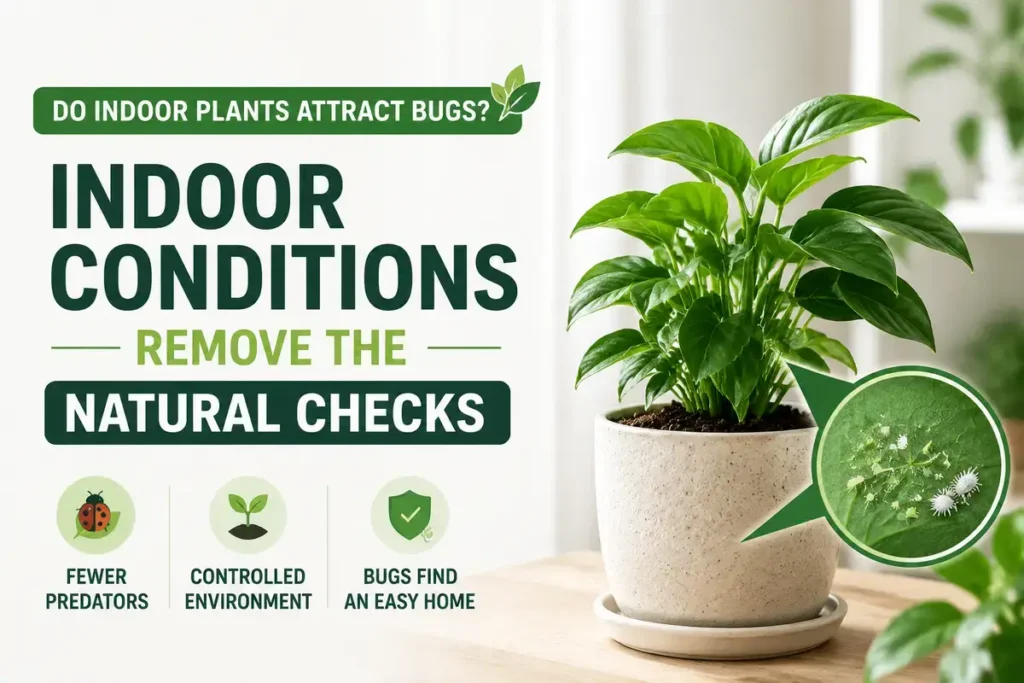
This is perhaps the most important fact to understand about why indoor plants sometimes seem to attract bugs more than outdoor plants do. They do not actually attract more bugs. They simply lack the natural population controls that outdoor plants benefit from.
Outdoors, ladybugs consume aphids. Lacewings eat spider mites. Parasitic wasps target whitefly larvae. Birds eat caterpillars. Wind dislodges small insects from leaves. Rain washes pests off foliage. Temperature drops kill off seasonal pest populations.
None of these controls exist indoors. When a single aphid or spider mite makes it onto an indoor plant, it reproduces without any natural predation, weather disruption, or seasonal population collapse. A population that would stay small and manageable outdoors becomes a serious infestation indoors within two to three weeks.
This is why indoor pest problems feel more severe than outdoor ones even when the initial pest numbers are smaller. It is not that indoor plants attract more bugs. It is that indoor conditions allow the bugs that do arrive to multiply completely unchecked.
Understanding this distinction changes how you approach prevention. The goal is not to make your plants unattractive to every insect on earth. It is to interrupt the uncontrolled reproduction cycle that indoor conditions enable, through correct watering, healthy plant maintenance, regular inspection, and prompt treatment when numbers are still small.
How to Keep Indoor Plants From Attracting Bugs
Water correctly. Let soil dry adequately between waterings based on each plant’s specific needs. This eliminates the primary condition that attracts soil-dwelling pests and fungus gnats. It is the single most impactful change most indoor gardeners can make.
Inspect new plants before introducing them. Check every new plant thoroughly before it joins your existing collection and quarantine it for at least one week in a separate space. This prevents the majority of new infestations before they start.
Keep plants healthy and well-nourished. Stressed plants attract pests. Healthy plants resist them. Appropriate light, correct watering, and regular feeding with a balanced fertilizer keep your plants producing strong cell walls that pests find significantly harder to penetrate.
Check vulnerable plants weekly. A two-minute inspection of leaf undersides on your highest-risk plants every week catches problems at the single-cluster stage when one soap spray application resolves them completely. For a complete guide to identifying and treating the most common soil-dwelling pests that show up in indoor plant collections, bugs in indoor plant soil covers every species from fungus gnat larvae to root aphids.
Treat immediately when you spot the first signs. The difference between a one-week treatment and a four-week treatment is almost always the speed of the initial response. Catching an infestation at five aphids requires one soap spray application. Catching it at five hundred requires two weeks of consistent treatment. For the most effective treatment options matched to specific pests, bug spray for indoor plants covers every product worth using and exactly which pest each one handles best.
Conclusion
Indoor plants do attract bugs under certain conditions, but those conditions are almost entirely within your control. Overwatering, plant stress, and introducing new plants without inspection account for the vast majority of indoor pest problems. Fix those three things and most houseplant collections stay pest-free without any chemical treatment at all.
The plants themselves are rarely the problem. A healthy lavender on a sunny windowsill does not attract bugs. It repels them. A stressed, overwatered pothos in low light does attract them, not because of the plant species but because of the conditions it is growing in.
Keep your plants healthy, water correctly, inspect regularly, and act fast when you spot the first signs of trouble. That combination is more effective than any spray product at keeping your indoor garden genuinely bug-free long term.
Frequently Asked Questions
Do all indoor plants attract bugs?
No. Most healthy indoor plants in appropriate growing conditions neither attract nor repel bugs in any meaningful way. Plants that are stressed, overwatered, or weakened do attract pests more reliably. Several plant species including lavender, mint, catnip, and rosemary actively repel common household insects rather than attracting them.
Which indoor plants attract the most bugs?
Hibiscus, roses, citrus trees, basil, and mint are among the most pest-prone indoor plants. Hibiscus and roses attract aphids reliably. Citrus attracts aphids, scale, and spider mites. Basil and mint attract aphids despite also repelling flies and mosquitoes. Monitoring these plants more frequently than others in your collection catches problems early when they are easiest to treat.
Can indoor plants attract bugs from outside?
Yes. Winged aphids, fungus gnats, and whiteflies can enter through open windows and doors and locate indoor plants by detecting the volatile compounds plants release. This is more common during warm months when windows are open and outdoor pest populations are at their peak. Placing bug-repelling plants near entry points reduces how many insects make it inside in the first place.
Do indoor plants attract mosquitoes?
Most indoor plants do not attract mosquitoes. Mosquitoes are primarily attracted to standing water for breeding and carbon dioxide from humans for feeding. Overwatered plant saucers with standing water can provide a breeding site for mosquitoes, but the plants themselves are not the draw. Several indoor plants including lavender, citronella, and catnip actively repel mosquitoes rather than attracting them.
Does having more indoor plants mean more bugs?
Not necessarily. A larger collection of healthy, well-maintained plants in appropriate conditions does not attract proportionally more bugs than a smaller collection. What matters is the health and growing conditions of the plants rather than the number. A single stressed, overwatered plant attracts more pests than ten healthy ones growing in ideal conditions.
How do I know if my indoor plants are attracting bugs?
Weekly inspection of leaf undersides, stem joints, and new growth on your most vulnerable plants is the most reliable detection method. Signs that bugs are present include sticky residue on leaves or surrounding surfaces, black sooty mold growth, distorted or curling new growth, tiny flying insects near the soil surface, and visible clusters of small insects on stems or leaf undersides.
Pingback: How Do You Get Rid of Aphids on Indoor Plants: 8 Steps That Work - Plant Quill