

Do you need nutrients after repotting indoor plants? This is one of the most genuinely confusing questions in houseplant care because the answer depends entirely on timing, and getting the timing wrong in either direction causes real problems. Fertilize too soon after repotting and you burn the stressed, freshly disturbed root system that is trying to establish in new soil. Wait too long and your plant sits in nutritionally depleted conditions while it should be putting on its best growth of the year.
The good news is that the answer is simpler than most sources make it sound. Fresh potting mix already contains starter nutrients that cover the plant for the first four to six weeks after repotting. After that window closes, consistent fertilizing through the growing season makes a significant difference in how quickly and vigorously the plant recovers and grows.
Quick Answer
No, you do not need to add fertilizer immediately after repotting indoor plants. Fresh commercial potting mix contains starter nutrients sufficient for four to six weeks of plant growth. Adding fertilizer to a freshly repotted plant risks burning the disturbed root system and causing the leaf drop and wilting that makes new plant owners think their repot failed. Wait four to six weeks after repotting, then start a regular fertilizer routine through the growing season.
What Fresh Potting Mix Already Provides
Most commercial potting mixes contain a starter fertilizer charge built in at the manufacturing stage. This is why plants placed into fresh potting mix typically show healthy growth in the first few weeks without any fertilizer application.
The starter charge in most quality potting mixes provides approximately four to six weeks of basic nutrition at the levels appropriate for the establishment period. During this time, the plant is not primarily focused on rapid growth anyway. It is recovering from root disturbance, re-establishing root tips damaged during repotting, and building new root contact with the fresh growing medium.
Adding fertilizer during this window creates a double-nutrient situation where the starter charge in the mix and the applied fertilizer combine to levels that stressed, recently disturbed roots cannot safely absorb. The result looks like underwatering or transplant shock: wilting, leaf drop, and brown tips that actually indicate nutrient burn rather than deficiency.
The specific starter charge in your potting mix varies by brand. Premium mixes from brands like Fox Farm, Espoma, and Pro-Mix contain more robust starter charges than budget options. If you are repotting into a premium mix, you can comfortably wait the full six weeks. If you used a basic mix without added nutrients, four weeks may be enough before light fertilizing begins.
Why Freshly Repotted Roots Are Vulnerable
Understanding what happens to roots during repotting explains why the no-fertilizer rule matters so much in the immediate aftermath.
When you remove a plant from its pot, you inevitably break some fine root tips and disturb the root hairs that are responsible for most water and nutrient absorption. Even a careful repot disrupts the established relationship between roots and their previous soil environment. The plant enters a period of stress where its primary physiological priority is re-establishing root contact with the new medium rather than actively growing.
Applying fertilizer during this period is similar to offering a heavy meal to someone recovering from surgery. The system is focused on healing rather than processing new inputs, and anything beyond what the body can handle in that weakened state creates additional stress rather than support.
Root tips that are exposed or slightly damaged during repotting are also more vulnerable to the salt concentrations that any fertilizer, natural or synthetic, creates around them. What would be a perfectly safe concentration for healthy established roots can reach damaging levels for roots in the transitional post-repot state.
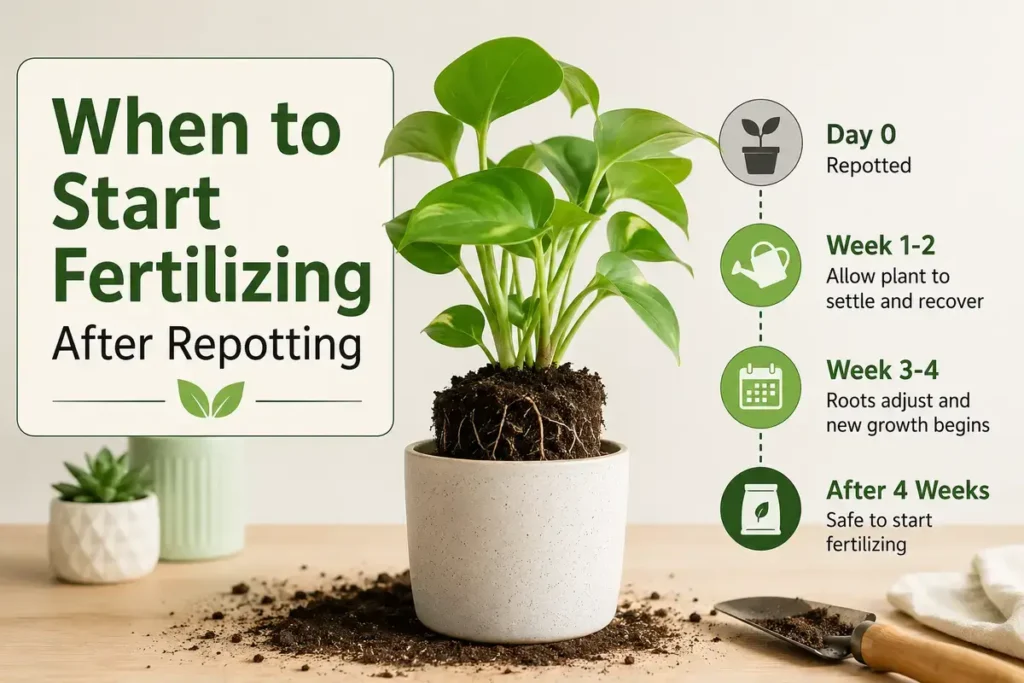
When to Start Fertilizing After Repotting
The four to six week waiting period covers the establishment phase for most common houseplants. A few specific signals tell you the plant is ready for fertilizing to begin.
New growth emerging. The clearest sign that a repotted plant has established root contact with its new soil and is ready to grow actively again is new leaf production. A plant producing new leaves is drawing on and using the nutrients in its new soil effectively. This is the most reliable indicator that the root system has recovered sufficiently for fertilizer to be used rather than just accumulated.
The plant looks settled. A freshly repotted plant often droops slightly for one to two weeks as it adjusts. Once it returns to its pre-repot upright, healthy appearance, the establishment period is largely complete.
Four to six weeks have passed. Even if no dramatic new growth has appeared, four to six weeks is typically enough time for roots to re-establish in new soil regardless of whether visible above-ground growth reflects that yet.
When you do start fertilizing after repotting, begin at half the normal rate for the first two to four applications before moving to your standard schedule. This gradual introduction gives the recovering root system time to ramp up its nutrient absorption capacity before receiving full fertilizer doses.
The Exception: When to Fertilize Sooner
There is one situation where fertilizing sooner than four weeks after repotting is appropriate: when you repot into a low-nutrient or nutrient-free growing medium.
Standard commercial potting mixes contain starter nutrients. Specialized growing media including orchid bark mix, cactus and succulent mix, pure coco coir, perlite-heavy custom mixes, and carnivorous plant media either contain minimal nutrients or are intentionally nutrient-free.
Plants repotted into these specialized media do not have the four to six week nutrient buffer that commercial potting mix provides. For plants moved into orchid bark, very lean cactus mix, or pure coco coir, a light application of appropriate fertilizer starting at two to three weeks after repotting prevents deficiency from developing before roots establish.
Start at one-quarter the normal fertilizer rate in this situation and increase gradually over the following applications. This is light enough to support the plant without risking burn on roots that are still recovering.
What to Use When You Do Start Fertilizing
The choice of fertilizer after repotting matters as much as the timing. Some fertilizer types are gentler on recovering root systems than others.
Worm castings as a top dress are the safest option for the post-repot transition period. Applied as a half-inch layer on the soil surface, they release nutrients so gradually through microbial activity that burn is essentially impossible even on stressed roots. They also inoculate the new potting mix with beneficial microorganisms that support root health during recovery. For the complete guide to worm casting applications and their specific benefits for establishing root systems, worm castings for indoor plants covers every method with timing guidance.
Diluted liquid fertilizer at half rate is the next safest option. The dilution reduces concentration to levels that recovering roots can absorb safely, and the biweekly application schedule (rather than weekly) gives extra time between doses for root uptake to keep pace with nutrient delivery.
Full-rate liquid fertilizer should wait until eight weeks after repotting for most plants. By this point the root system is typically well-established enough to handle standard fertilizer concentrations without accumulation risk.
Slow release granules pressed into the soil at repotting are appropriate when using low-nutrient media and when the granules are worked throughout the soil volume rather than concentrated at the surface. At half the outdoor label rate, they provide gradual, gentle nutrition through the entire establishment period without the concentration spikes of liquid fertilizer. For the complete guide to slow release options and which ones are safest for post-repot use, slow release fertilizer for indoor plants covers every product with specific application guidance.
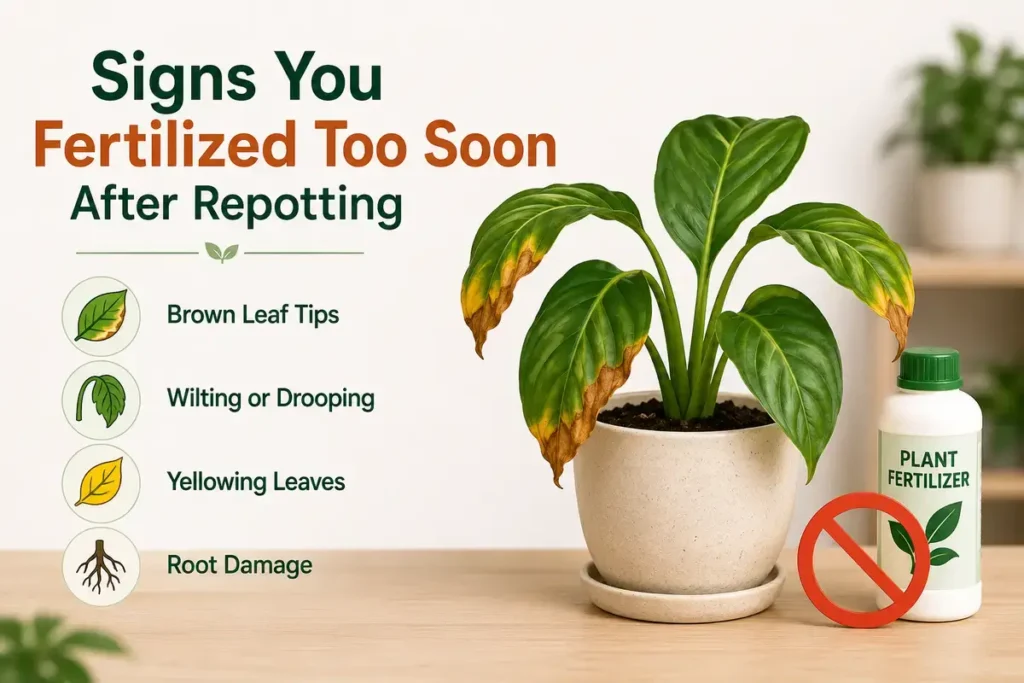
Signs You Fertilized Too Soon After Repotting
Sometimes the four to six week rule gets ignored, either through enthusiasm or by following advice that did not account for timing. These signs tell you fertilizer was applied too early.
Brown leaf tips appearing one to two weeks after repotting and fertilizing simultaneously. This is the most common sign of fertilizer salt accumulation around recently disturbed roots.
Sudden leaf drop in a plant that seemed to be settling in normally before fertilizing began. Dropping leaves is a plant’s stress response to root damage, and nutrient burn on recovering roots triggers the same response as physical root damage.
Wilting that does not improve with watering suggests root damage from fertilizer concentration rather than moisture deficiency. The roots cannot absorb water effectively when burned by excess salt concentration.
If any of these signs appear after early fertilizing, flush the soil immediately and thoroughly with several volumes of plain water to leach excess nutrients. Allow the soil to drain completely and do not fertilize again for at least four weeks while the roots recover.
Does the Type of Repotting Matter?
Not all repots are equally stressful and the level of root disturbance affects how long to wait before fertilizing.
Potting up into a larger container with the root ball mostly intact causes minimal root disturbance. The four-week wait is appropriate and you can start light fertilizing at that point with confidence.
Dividing or separating a root-bound plant causes significant root disturbance since division necessarily breaks roots throughout the root ball. Wait the full six weeks and start at quarter rate for the first month of fertilizing.
Root pruning to maintain size in the same pot is the most stressful repotting scenario since it actively removes root mass. Wait six to eight weeks and approach the first fertilizing session with particular caution, starting at quarter rate.
Emergency repotting for root rot where rotted roots are removed and healthy roots remain means the plant enters fresh soil already stressed and with reduced root capacity. Wait at least six weeks, assess root recovery by checking for new white root tips visible at the drainage holes, and start fertilizing only when clear signs of active growth above ground confirm root recovery is underway.
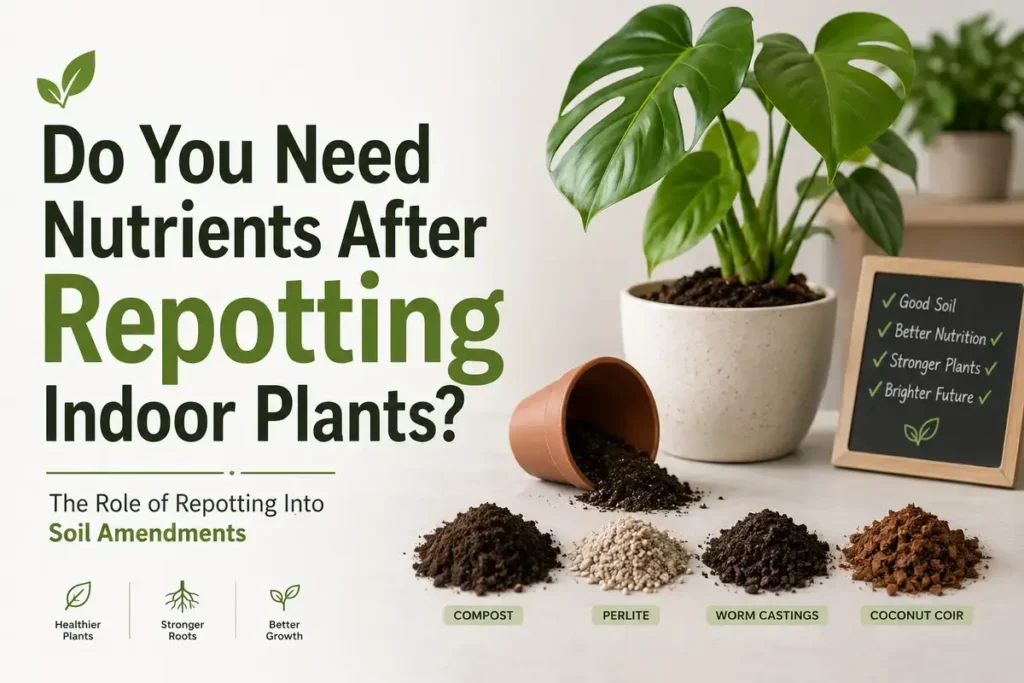
Repotting Into Soil Amendments: What You Need to Know
Many plant owners mix soil amendments into fresh potting mix when repotting, which changes the post-repot nutrient calculation slightly.
Adding worm castings at 20% to potting mix when repotting provides a gentle, burn-safe nutritional boost from day one that extends the period before liquid fertilizing is needed. Plants repotted into worm casting-amended mix can comfortably wait six to eight weeks before adding any additional fertilizer since the castings continue releasing nutrition through that period.
Adding compost at 20 to 25% provides similar extended nutrition that delays the need for additional fertilizing. For the complete guide to using compost when repotting, compost for indoor plants covers exactly how much to use and how it affects the post-repot care timeline.
Adding peat moss or coco coir without a nutritional amendment does not change the post-repot fertilizing timeline since these materials improve soil structure without adding meaningful nutrition.
How Repotting Season Affects the Nutrient Timing
Most houseplant advice about repotting assumes you are doing it in spring, which is the ideal time. But plants get repotted year-round for various reasons including root rot rescue, pot breakage, and new plant purchases that need better soil. The season when you repot affects how quickly you should begin fertilizing afterward.
Spring repotting is the best case scenario. Plants are entering their most active growth phase and root recovery happens faster during long warm days. You can confidently start fertilizing at the four-week mark when new growth confirms establishment.
Summer repotting is also appropriate and recovery is similarly fast with warm temperatures supporting root development. The main consideration is that summer heat increases water demand, so watch moisture carefully during the establishment period since roots recovering from repotting cannot compensate for drought stress as effectively as established roots.
Fall repotting should ideally be avoided for most houseplants since day length is shortening and growth is naturally slowing. If fall repotting is necessary, extend the waiting period to six to eight weeks and expect slower visible recovery than spring repots. Start fertilizing only when clear new growth appears even if that takes longer than the standard window.
Winter repotting is the most challenging timing for recovery and should be reserved for emergencies like root rot. Most houseplants are dormant or near-dormant in winter and root recovery is significantly slower than in warmer months. Wait the full eight weeks before any fertilizing and expect that visible recovery signs may not appear until spring even when the root system has technically stabilized.
What to Focus on Instead of Fertilizing Right After Repotting
The four to six week post-repot period without fertilizing is not a period of doing nothing. Several care practices during this time significantly affect how successfully the plant establishes in its new soil.
Consistent, careful watering. The root system recovering from repotting needs consistent moisture without waterlogging. Water when the top two inches of soil are dry for most tropical plants, checking more frequently than usual since the new potting mix may drain differently from the old one.
Appropriate light. Avoid moving a freshly repotted plant to significantly brighter light than it was in before the repot. Adding light stress on top of repotting stress slows recovery. Maintain the same light conditions for at least four weeks after repotting.
Avoid drafts and temperature extremes. Cold drafts and sudden temperature changes slow root recovery. Keep freshly repotted plants away from air conditioning vents and exterior doors during the establishment period.
Humidity support for tropical plants. Many tropical houseplants benefit from slightly elevated humidity during the post-repot recovery period since recovering roots are temporarily less efficient at water uptake. A pebble tray with water beneath the pot or a nearby humidifier reduces the water stress that can develop even with appropriate watering while roots re-establish.
Do not repot again quickly. It sounds obvious but some plant owners, seeing a plant struggle after repotting, assume the soil was wrong and repot again within weeks. Unless there is a clear, confirmed problem with the soil like severe root rot spreading or an infestation requiring soil removal, do not repot a second time within the same season. Give the plant the full establishment period in its new environment before making any further changes.
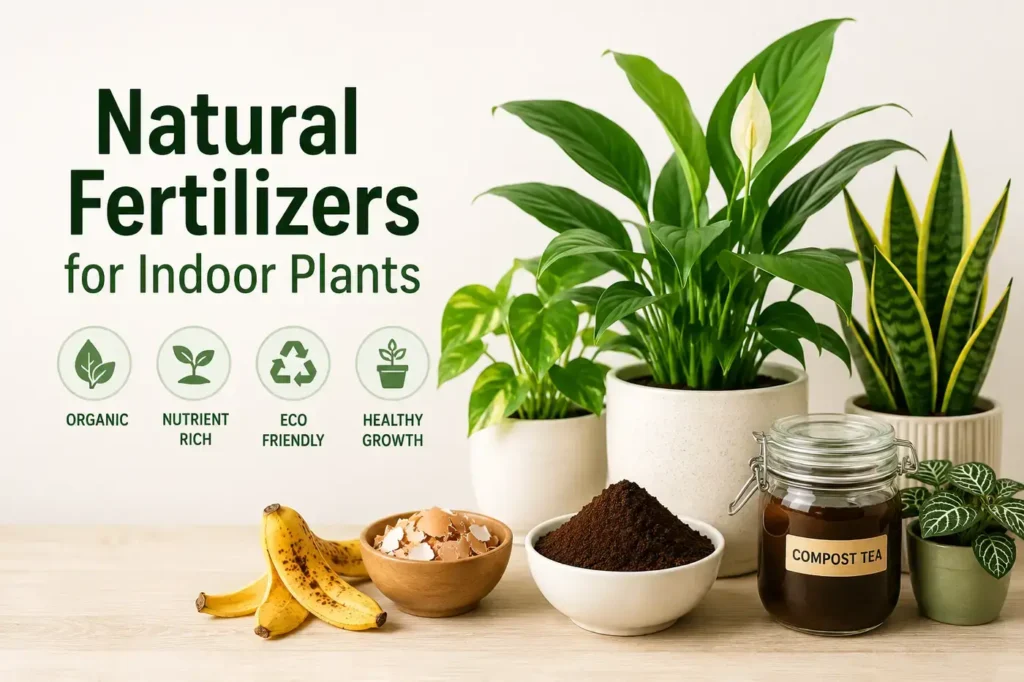
For the complete guide to natural fertilizer options that work most safely during and after the post-repot transition period, natural fertilizer for indoor plants covers every gentle feeding approach including how worm castings compare to liquid options for plants in their most vulnerable growing phase. For the DIY fertilizer options that work at reduced rates during post-repot feeding, diy fertilizer for indoor plants covers every homemade recipe that delivers gentle nutrition appropriate for recovering root systems.
Conclusion
You do not need nutrients immediately after repotting indoor plants. Fresh commercial potting mix contains starter nutrients that cover the plant for four to six weeks while roots recover and re-establish in the new growing medium. Adding fertilizer during this window risks burning the stressed root system and causing the symptoms that make plant owners think their repot failed.
Wait four to six weeks. Watch for new growth as the clearest sign the plant is ready. Start at half the normal fertilizer rate for the first month of applications. Use worm castings as a top dress if you want to provide gentle nutrition during the transition period without burn risk. Those simple steps make the difference between a repot that launches healthy growth and one that stalls a plant for weeks while it recovers from nutrient stress on top of repotting stress.
Frequently Asked Questions
How long should I wait to fertilize after repotting indoor plants?
Wait four to six weeks after repotting before starting any fertilizer routine. Fresh commercial potting mix contains starter nutrients that cover the plant through this establishment period. Starting at four weeks is appropriate when the plant is showing clear signs of new growth. Waiting the full six weeks is safer for plants repotted in autumn or winter when growth is naturally slower and root recovery takes longer.
Can fertilizer kill a freshly repotted plant?
Fertilizer applied immediately after repotting can cause root burn that seriously sets back or kills vulnerable plants, particularly small plants, recently divided specimens, and species with sensitive root systems. The combination of disturbed roots and fertilizer salt concentration creates conditions the recovering root system cannot handle safely. This is why the waiting period after repotting is genuinely important rather than just cautious advice.
Should I add fertilizer to potting mix when repotting?
A small amount of slow release fertilizer pressed into the soil at repotting is appropriate when using low-nutrient media like pure coco coir or orchid bark. For standard commercial potting mix that already contains starter nutrients, adding fertilizer at repotting creates excess concentration that can harm recovering roots. Worm castings mixed into potting soil at 20% are the exception since they release nutrients so gradually that burn risk is essentially zero even for freshly disturbed roots.
What happens if I fertilize too soon after repotting?
Brown leaf tips, sudden leaf drop, and wilting that does not improve with watering are the typical signs of fertilizing too soon after repotting. These symptoms indicate root burn from fertilizer salt concentration around disturbed roots rather than underwatering or transplant shock as they are often mistakenly interpreted. Flush the soil thoroughly with plain water immediately and wait at least four more weeks before attempting to fertilize again.
Do plants need more or less nutrients after repotting into larger pots?
Plants do not need more nutrients immediately after repotting regardless of the new pot size. The fresh potting mix in any pot size provides starter nutrition for the establishment period. After the four to six week waiting period, plants in larger pots with more soil volume can absorb fertilizer somewhat more efficiently than those in small pots since the larger soil volume buffers concentration more effectively. This means standard label rates become more appropriate faster for plants in larger containers than for those in small pots where half rate is safer for longer.
Is it normal for plants to droop after repotting before fertilizing?
Yes, temporary drooping for one to three days after repotting is completely normal and is not a sign the plant needs fertilizer. It reflects the temporary disruption of water uptake efficiency as roots re-establish contact with the new growing medium. Most plants recover from this drooping within three to five days without any intervention. If drooping persists beyond one week or worsens, check the root system for rot rather than reaching for fertilizer as the solution.
Pingback: 11 Espoma Organic Indoor Plant Food: Honest Review for Houseplant Owners - Plant Quill
Pingback: Osmocote Plus Outdoor and Indoor Smart Release Plant Food (2026) - Plant Quill